

Coffee is the lifeline of many nations, but is it the poison of our country? Most Americans start their mornings with drinking a cup of coffee. Littered around our highways are Starbucks and Summermoons. Many people have crippling caffeine addictions, which are only extended by our unique energy drink craze. But what I want to focus on is our relationship with coffee, expanded onto a national scale.
Coffee beans were first grown in Africa, and in a way that mimics colonization, Europe took it and made it their own. The beans would be eaten in Ethiopia for quick energy and as a snack. Through the many trade routes, the beans were diffused to the larger Arabic world. Starting in Yemen, it was morphed into a drink. Becoming largely popular, with the spread of the Ottoman Empire, it reached Eastern Europe.
When sea trade became more popular and colonization exploded in Africa, Western Europe adopted coffee. One of Europe’s most important ideas worldwide was their idea of corporations. They, of course, commercialized the coffee industry. Creating coffee houses all over the continent, ones that rely on Africa for raw materials.
When the New World was discovered and populated, coffee joined the voyage to the West. 200 years later, during World War 1, American soldiers brought back the recipe for Mazagran, a French/Algerian iced coffee. Our hypercapitalist society, which skyrocketed after the Second World War, took this idea and ran with it.
This is how I’d like to dive into our American moral corruption, and how that’s paralleled in our coffee drinking habits. If we look at America as iced coffee and Europe as hot coffee, the pair is obvious. Both countries got the ingredients through unjust means, exploiting African countries. Which shows the fault in the moral structure of the entire Western world. But to further the comparison, we shall look at the difference between iced and hot coffee.
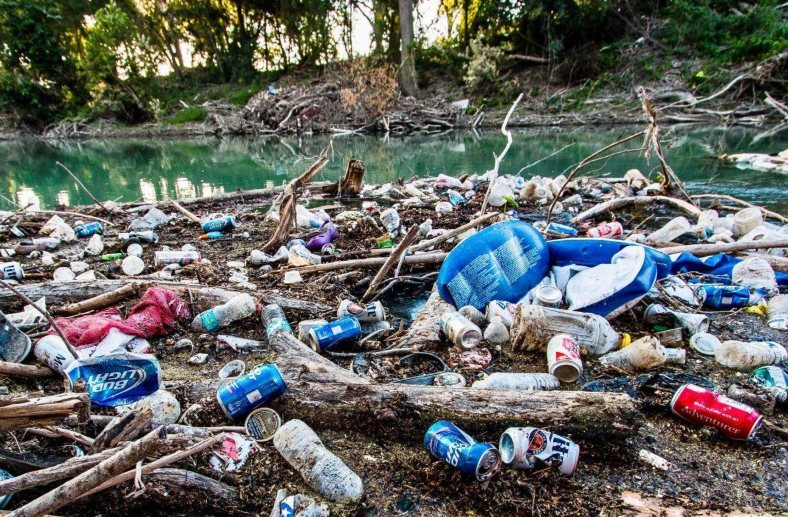
To start with iced coffee, let’s look at the pollution impact. Most iced coffees are prepared in plastic disposable cups, which reflects the large environmental impact America imposes on the rest of the world, with no intent to stop it. If we look at hot coffee, especially in Europe, they are served in mugs provided by the coffee shop. This shows the efforts to reduce pollution and embrace older traditions.
These go cups in America also allow people to order and leave. This takes away from the magic and community of coffee. In the Arab World, where the drink of coffee was invented, meals are a big part of the culture. It is bonding, and you can see this furthered in the coffee traditions. Coffee Houses were a huge cultural site, and they continued to be, until America. There remain few cafes in America where people are not taking their coffee to go, which ruins the entire experience. When you drink from a mug from the shop, you have to stay until you finish it. Creating a real communal feel.
The franchisation of coffee in America, in places like Starbucks, is a gross display of how our greed has won over our human values. Our lust for social interaction has been beaten by our lust for money. Through the large influence the U.S. has over the rest of the world in all aspects, but especially economically, these chains have exploded worldwide. In most countries you visit, you can attend a Starbucks. When travelling to other continents, you can still find slow and cultural coffee shops, but the art of a real coffee house has been lost.
The best example of this extreme capitalism I can think of is the ice in iced coffee. It’s a big trend right now to have more ice than coffee in your drink. But the very idea of this shows the unfairness of the system. Let’s think critically about this: ice costs more money, but you’re getting less coffee for more money. The ice takes up space that the coffee could’ve filled, and when the ice melts, it waters down the coffee. In the same way that superficial materialistic objects “water down” your personal identity. This disease has spread into every drink in America; we have an addiction to an overabundance of ice in every drink we consume.
The difference between our nations and their cracks in our society can all be portrayed using coffee. Our coffee tasting experiences worldwide have been diminished due to the patterns described. I encourage you to slow down, drink a hot coffee in a coffeehouse mug, and enjoy the experience of a good drink.
















B. B. • Feb 5, 2026 at 4:54 pm
Europeans never claimed to invent coffee, but I’m sure that’s not the claim you’re making. The diffusion of coffee to Europe was only a biproduct of colonization; of course when you colonize a country, the commodities and general culture of the colonized country will be introduced to the colonizing country, which is how coffee spread to Europe.
And it is no surprise that coffee companies exist. Coffee, like any other commodity, is something people enjoy and consume. This will create demand, which businesses are founded, so that not only supply is filled, but profit is created (profit is the incentive for further innovation and production. This is capitalism 101).
You stated that because coffee’s modern-day consumption originated from African exploitation, the moral structure of the Western world is at fault. I wouldn’t be able to tell if this is your intent when writing, but there are stances implicitly stated here. Namely, that the Western world is held collectively guilty due to the subjugation of African nations and other colonized peoples, and that this guilt extends to the descendants of those responsible.
It is undoubtedly true that the atrocities committed by Western nations against peoples who were unable to defend themselves were evil. But if you only focus on how evil they were and how guilty we are for being their descendants, how can any justice be done about it? How can a brighter future be made if our eyes are only set on the darkness of the past? To add a historical example: In the aftermath of World War I, Germany was legally declared guilty of causing the Great War and forced to pay heavy reparations its economy could not sustain, creating massive political and economic instability (both factors that led to the rise of the Nazi Party). So it should be clear now, that collective guilt only causes more problems than it solves.